

One integrated model, working on every front at once.
Every front together — and for long enough for change to hold.
The first conversation is free and fully confidential · no commitment
Addiction doesn't come from nowhere — so we treat what lies beneath it.
Addiction starts with a reason — stress, emptiness or impulsivity — and then becomes a source of problems in its own right. Many people also live with a co-occurring mental health condition. So we treat what lies beneath the addiction, not the use alone.
We also know the limits of our role: we stabilise recovery, put the person on the right road and give intensive treatment that leaves them able to continue on their own. The recommended length is 100 days; the ideal is six months.
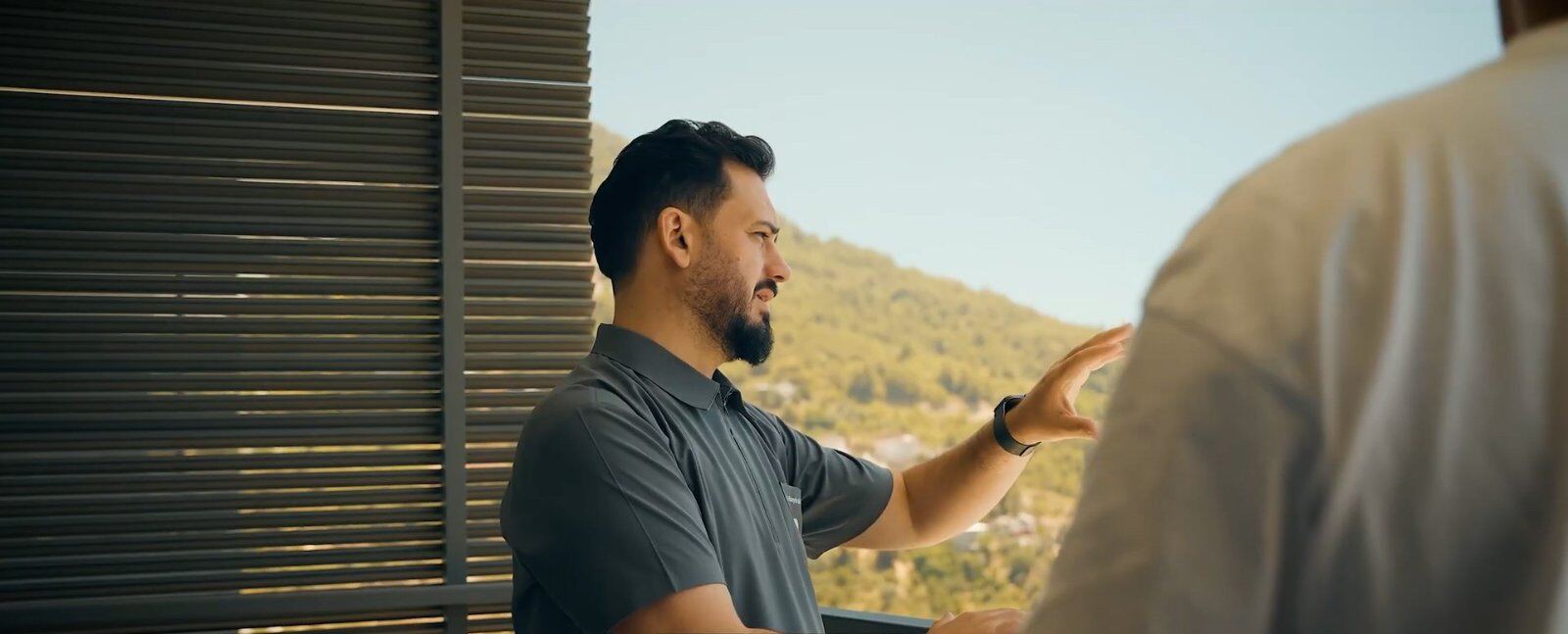
Eight fronts, one team.
Medical care
Detox at partner hospitals under our supervision, and regular check-ups.
Psychiatry
Diagnosis, follow-up and supportive medication when needed.
Psychological & behavioural therapy
Individual and group CBT, grief work, coping skills.
Recovery coaching
Practical steps, responsibility and staying power.
Physical & nutrition
Daily gym, nutrition plan, calorie-counted meals, sleep regulation.
Spiritual
Spiritual support as an integral part of the model.
Family involvement
Family specialists, a weekly session, the Quiet Homes program.
Reintegration & follow-up
Open setting, daily activities, a companion for the return, aftercare and community.
When addiction and a mental health condition occur together.
Many people with a substance use disorder also live with anxiety, depression, trauma or other conditions. Treating one without the other raises the risk of relapse. That is why the psychiatrist, psychotherapist and recovery specialist work on the same plan.
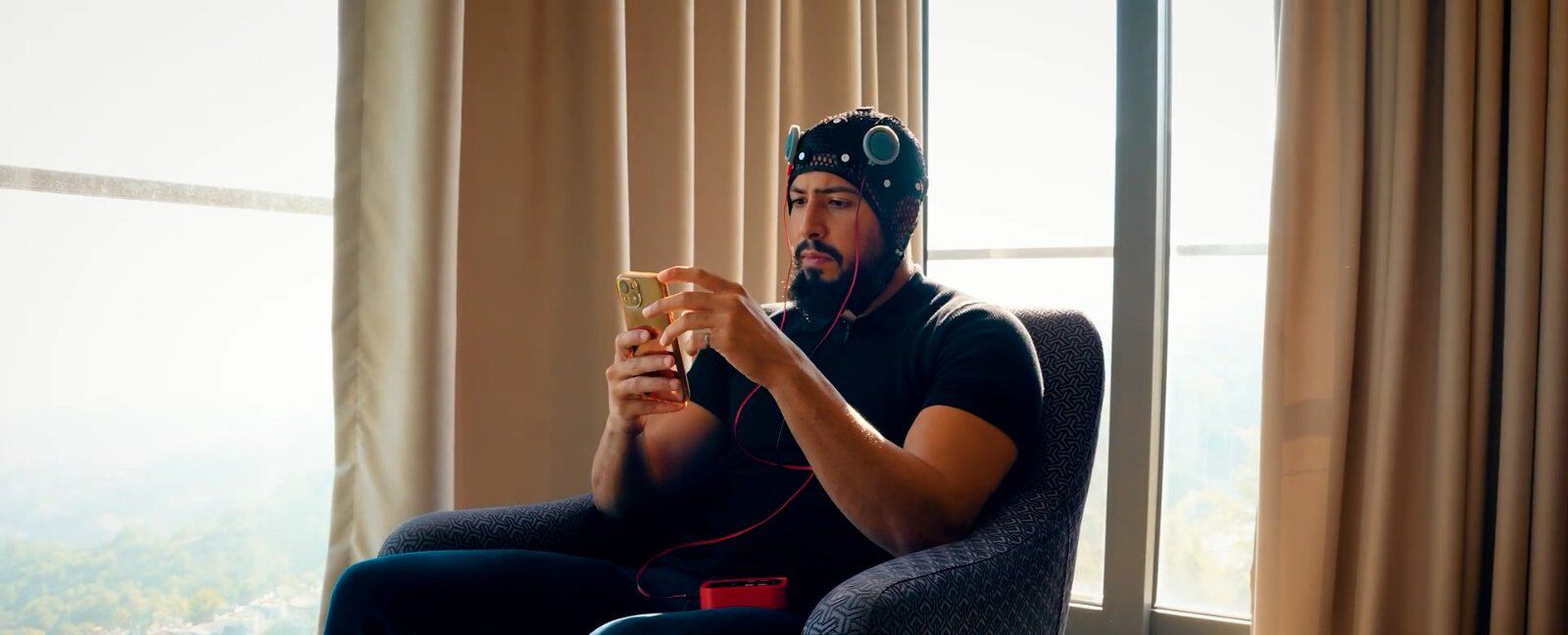
Depending on clinical need, the Restart clinic offers quantitative EEG (QEEG), transcranial magnetic stimulation (TMS), neurofeedback and pharmacogenetic testing — used only when the physician recommends them after assessment.
Seven dimensions of life — not a single number.
Physical health
Rebuilding fitness in the gym, regulating food and sleep.
Mental health
Psychological and behavioural therapy, with psychiatric care when needed.
Emotional balance
Resolving the losses of the using years and learning to handle emotions.
Faith & meaning
Restoring one's relationship with God as an integral part of the model — always respecting personal choice.
Family relationships
Families are partners in treatment — with the participant's consent.
Community reintegration
An open environment during treatment, and a companion for the return home.
A purposeful life
Work, productivity, income and purpose.
Continuous follow-up
Weekly reports, aftercare and a support community.
Who we serve.
People with substance use disorders
Mild and moderate cases online; more severe cases in person.
Dual diagnosis
People with a co-occurring mental health condition.
Families affected by a loved one's addiction
Wanting to persuade, support, or recover from exhaustion.
Young adults
With a supportive family involved.
Working professionals
Through outpatient or online care without leaving work.
People who relapsed after previous treatment
Looking for real relapse prevention.
Questions about our approach
How long does addiction treatment take?
Do you use medication?
What is dual diagnosis?
Can addiction be treated without a hospital?

The first step is a conversation.
Tell us about your situation or a loved one's. We'll understand what's happening and guide you to the right path — in complete confidence.
The first conversation is free and fully confidential · no commitment